
Sick of clothes spilling out every time you open the door? These practical, space-saving closet tricks will help you reclaim room, reduce clutter, and make getting dressed easier, even in the tiniest spaces.
1. Start with a Quick Category Purge
Sort everything into categories, such as tops, bottoms, shoes, and accessories. Working by category makes it easier to compare similar items and stop emotional decisions that keep clutter around.
Set a two-bin system: keep and donate. If you did not wear something in the past year, consider letting it go to free immediate space and reduce overwhelm.
Pro Tip: Timebox your purge to 20 minutes per category to move fast and avoid decision fatigue.
2. Use Vertical Space with Tiered Storage
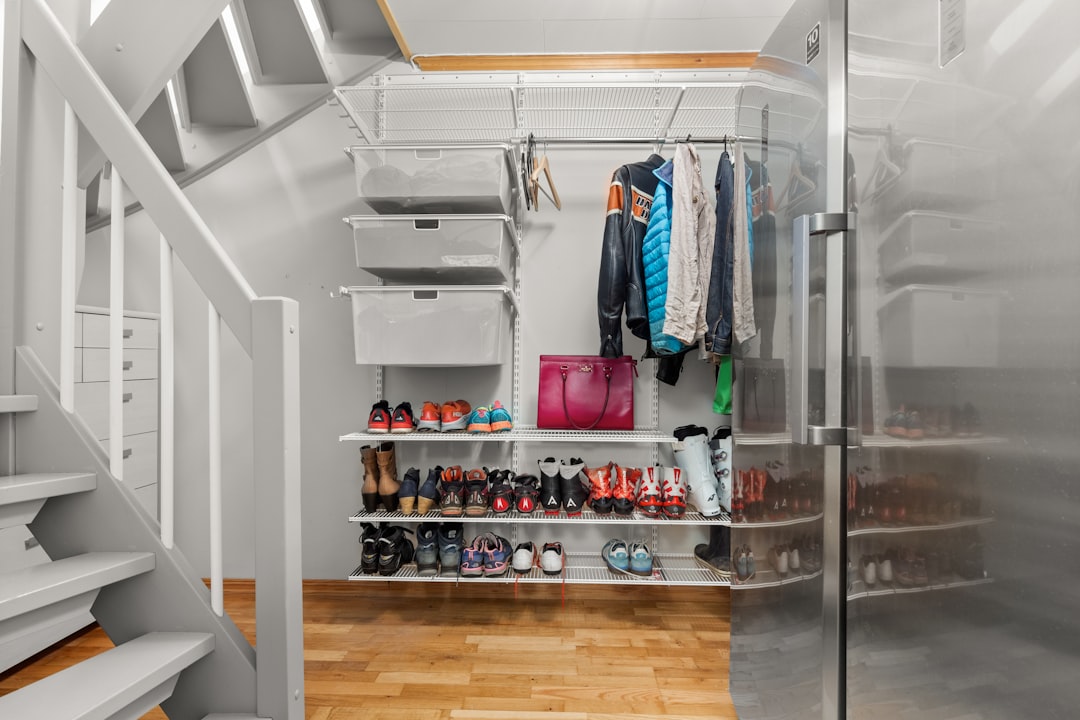
Install narrow shelves and hooks up high to take advantage of unused vertical area. Storing seasonal items or boxes above eye level opens up the core hanging space for everyday pieces.
Think beyond single rods, add a second lower rod for shirts or install stackable shelf organizers to create clear zones. Vertical solutions multiply capacity without expanding the closet footprint.
Quick Tip: Store seldom-used items in clear bins on top shelves so you can see contents without pulling everything down.
3. Swap Bulky Hangers for Slim Non-Slip Options
Replacing thick plastic and wire hangers with slim, non-slip models instantly creates more hanging room. Uniform hangers also make your closet look tidier and simplify grabbing outfits.
Choose velvet or slim wooden hangers for durability and grip, then hang clothes by type and color to streamline outfit choices. The visual order saves time each morning and encourages you to keep things organized.
Expert Insight: Buy hangers in bulk so you can replace all mismatched hangers at once, which prevents reintroducing clutter later.
4. Fold Strategically and Use Drawer Dividers
Not everything should be hung; fold sweaters, tees, and jeans using space-saving techniques like file folding to fit more in drawers. File-folded items remain visible so you do not dig and create mess.
Add drawer dividers to keep small items like socks, belts, and scarves separate and accessible. Organized drawers protect delicate fabrics and make daily routines smoother.
Insider Tip: Label drawer sections on the inside with stickers to train household members where things belong.
5. Create a Capsule Zone for Easy Outfit Planning
Designate a small section for your go-to outfits, seasonal essentials, and reliable accessories. A capsule zone reduces decision stress because the best pieces are grouped for quick access.
Rotate the capsule items every season or month to keep it relevant and prevent buildup. This habit keeps the rest of the closet lean and focused on less-used items.
Heads Up: Limit your capsule to a fixed number of hangers or shelf units so you reassess any additions before they enter the zone.
6. Use Doors for Extra Storage
Closet doors are prime real estate that often goes unused. Add over-the-door racks, shoe organizers, or slim hanging pockets to store accessories and small items.
These attachments are inexpensive and reversible, a perfect solution for renters and small apartments. They keep frequently used items visible and off shelves where they create clutter.
Worth Knowing: Choose flat pockets for jewelry and delicate items to avoid tangles and protect finishes.
7. Implement a One-In, One-Out Rule
To prevent future overflow, adopt a simple habit: when you buy something new, remove one similar item. The rule forces regular pruning and helps you maintain a functional wardrobe size.
Pair the rule with a donation bin near your closet so decluttering takes seconds, not hours. Small daily habits beat occasional marathon cleanups when space is limited.
Pro Tip: Set a monthly reminder to check the bin and drop donations off so the process does not stall.
8. Zone the Closet by Activity, Not by Color
Group items by how you use them, for example workwear, casual weekend clothes, and workout gear, instead of only by color. Activity zones speed outfit selection and keep functional items within reach.
Use shelf labels or small, removable tags to mark zones, which helps family members and guests return items to the right spot. Clear zoning cuts down on misplaced clothes and chaos.
Quick Tip: Store workout shoes and accessories together near the door for grab-and-go convenience.
9. Invest in Multi-Functional Organizers
Choose organizers that serve more than one purpose, like shoe racks with cubbies for bags or hangers with clips for scarves. Multi-functional pieces reduce the total number of containers you need.
When you limit different types of organizers, the closet remains visually calmer and easier to maintain. Focus on quality items that fit your space instead of trendy containers that end up in storage.
Expert Insight: Measure the closet before buying organizers to ensure each piece maximizes usable space without blocking doors.
10. Schedule Short, Regular Maintenance Sessions
Spend 10 to 15 minutes weekly straightening hangers, refolding a drawer, and returning misplaced items. Short, consistent maintenance prevents clutter from rebuilding and keeps the system effective.
Make the session part of an existing routine, such as a Sunday evening reset, so it becomes automatic. The effort is small but compounds into a long-term tidy closet that actually serves you.
Insider Tip: Keep a small caddy with lint rollers and a fabric shaver nearby to tackle quick fixes during maintenance.
Ready to Reclaim Your Closet Space?
Pick two strategies from this list to try this weekend, and note how much easier your mornings feel after the change. Which two tips will you start with, and what is the biggest clutter challenge in your closet right now?