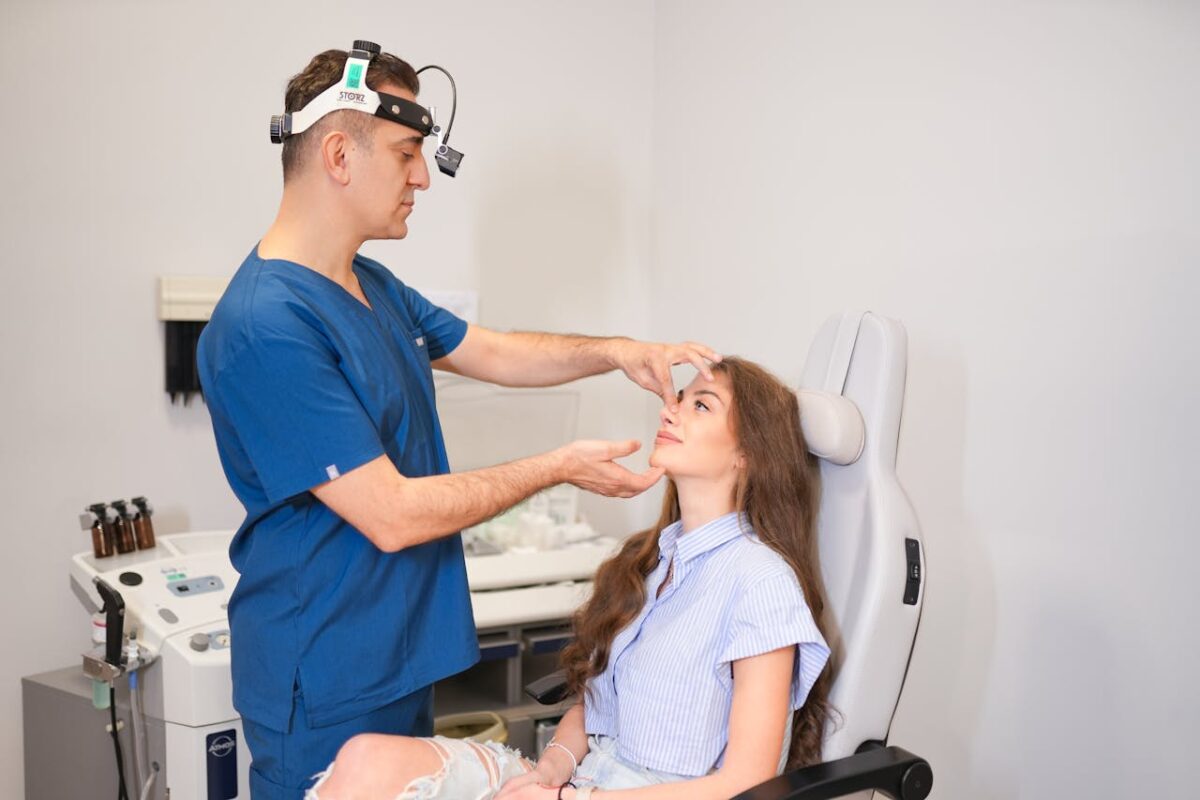

Skipping your annual physical can feel convenient now, until a small problem becomes a major one. This list shows 11 practical reasons to keep that appointment and what you gain when you do.
Catch silent conditions before they worsen
Many chronic issues do not cause obvious symptoms at first. Blood pressure, cholesterol, and early diabetes markers can show up on routine tests before you notice any changes.
Detecting a problem early usually means simpler treatment, fewer complications, and better long-term outcomes. Your doctor can start interventions that slow or stop progression, saving time and stress later.
Pro Tip: Bring a list of any subtle changes you’ve noticed, like sleep shifts or mild pain, so your provider can connect symptoms with test results.
Personalized prevention plans keep you healthier
An annual visit gives your clinician a chance to tailor vaccines, screenings, and lifestyle advice to your age and risk factors. A one-size-fits-all approach misses chances to prevent disease.
From immunizations to screening frequency, a customized plan helps you spend health dollars where they matter most. It reduces guesswork and aligns care with your goals.
Quick Tip: Ask for a simple prevention checklist during your visit that you can follow for the next 12 months.
Create a baseline to measure future change
Baseline measurements like weight, labs, and heart rate give future tests context. Without earlier values, trends get missed and small deteriorations can be mistaken for normal variance.
With a documented baseline, both you and your provider can spot meaningful shifts quickly and decide when to act. That clarity often leads to earlier, less invasive treatments.
Expert Insight: Keep a personal health log or digital file with lab results and dates so you can review trends between visits.
Save money by preventing costly interventions
Early detection and prevention usually cost less than treating advanced disease. Managing high blood pressure, catching prediabetes, or addressing early joint issues can prevent expensive hospital stays or surgeries.
Insurance often covers preventive visits, making an annual physical a high-value investment in your financial and physical health. Think of the visit as targeted maintenance for your body.
Insider Tip: Review your insurance preventive care benefits before the visit so you know which screenings are covered at no cost.
Update medications and avoid harmful interactions
Prescriptions change over time and so do interactions between drugs. Annual reviews help your clinician verify doses, discontinue unnecessary medicines, and catch risky combinations.
This visit is a chance to discuss side effects and consider safer or more effective alternatives, especially if you see multiple specialists. Medication adjustments can reduce falls, hospitalizations, and side effects.
Heads Up: Bring all prescription and over-the-counter medications, plus supplements, in a list or pill bottle so your provider can review them accurately.
Mental health check ensures complete care
Primary care visits are an opportunity to screen for anxiety, depression, and sleep problems that many people overlook. Mental health influences physical health and vice versa.
Early conversations can lead to simple interventions, counseling referrals, or medication that improves quality of life. Treating mental health proactively often accelerates recovery from other conditions.
Worth Knowing: Be honest about your mood, stress, and sleep during the visit; small details help clinicians pick the right next steps.
Spot lifestyle risks and get realistic goals
Doctors can assess diet, exercise, alcohol, and tobacco use and translate medical data into practical behavior targets. Vague New Year resolutions rarely stick, but an actionable plan does.
Your clinician can propose incremental changes that suit your schedule and preferences, and suggest community or digital supports to maintain progress. Setting measurable steps improves long-term success.
Pro Tip: Ask for one or two small, measurable goals to start with, such as adding two 20-minute walks per week or swapping sugary drinks for water.
Coordinate care across specialists for safer outcomes
If you see multiple providers, your primary care clinician acts as a central hub for records and recommendations. That coordination prevents conflicting prescriptions and duplicate testing.
Annual physicals are a good time to review specialist notes, confirm follow-up steps, and make sure everyone is working toward the same goals. This reduces mistakes and improves recovery when problems arise.
Quick Tip: Bring a list of current specialists and ask your PCP to summarize a coordinated plan that you can share with each clinic.
Identify genetic and family risk early
A routine visit is a moment to update your family history and flag inherited risks for cancer, heart disease, or other conditions. Small details about relatives may change screening recommendations.
With that information your provider can suggest earlier or more frequent screenings, genetic counseling, or lifestyle steps to lower risk. Knowing your family pattern guides smarter monitoring.
Expert Insight: Ask specific questions about family health across three generations, and note any early or unusual diagnoses to discuss with your clinician.
Build a trusting relationship with your care team
Regular visits let you establish rapport with your clinician, making future conversations easier when urgent issues arise. Trust shortens the time needed to explain symptoms and improves shared decision making.
Clinicians who know your history and preferences can tailor treatment in ways a chart cannot capture. That familiarity often leads to more accurate diagnoses and higher satisfaction with care.
Insider Tip: Use part of the visit to mention your health priorities so your clinician understands what matters most to you personally.
Access to timely referrals and smoother follow-up
A physical can trigger necessary referrals to imaging, specialists, or therapy before problems escalate. Your primary care clinician can fast-track evaluations by providing comprehensive, documented concerns.
Proactive follow-up helps ensure tests happen on time and results are acted on quickly. That reduces uncertainty and gives you a clear path forward when new issues arise.
Heads Up: Request an estimated timeline for any referrals or tests and confirm how you will receive follow-up communication from the clinic.
Keep control of your health, one year at a time
Annual physicals are not just about tests, they are about staying proactive and avoiding surprises. Small annual steps accumulate into strong long-term health outcomes.
Skipping visits may save time now, but it raises the chance of preventable complications later. Make the appointment, then use it as a platform for steady improvement.
Worth Knowing: Treat your annual physical like a checkpoint: prepare questions ahead, bring records, and set one follow-up action you will complete within a month.